The Future of Mechanical Keyboards: Predictions for 2026 and Beyond in Switch Technology and Design
By Keychronus | Published: 2026-06-22
Category: Industry News
Explore the future of mechanical keyboards in 2026 and beyond. Learn about Hall effect switches, QMK/VIA evolution, keycap innovations, and design trends shaping the next generation of custom keyboards.
The mechanical keyboard industry has undergone a remarkable transformation over the past decade. What was once a niche hobby for typing enthusiasts and gamers has become a mainstream category, with innovations accelerating faster than ever. As we look ahead to 2026 and beyond, several key trends in switch technology, keyboard design, and customization are poised to redefine what we expect from our daily typing and gaming companions. In this article, we’ll explore the most exciting predictions for the future of mechanical keyboards, from the rise of Hall effect switches to the evolution of QMK/VIA firmware and the impact of new materials and form factors.
Hall Effect Switches: The New Standard for Responsiveness and Durability
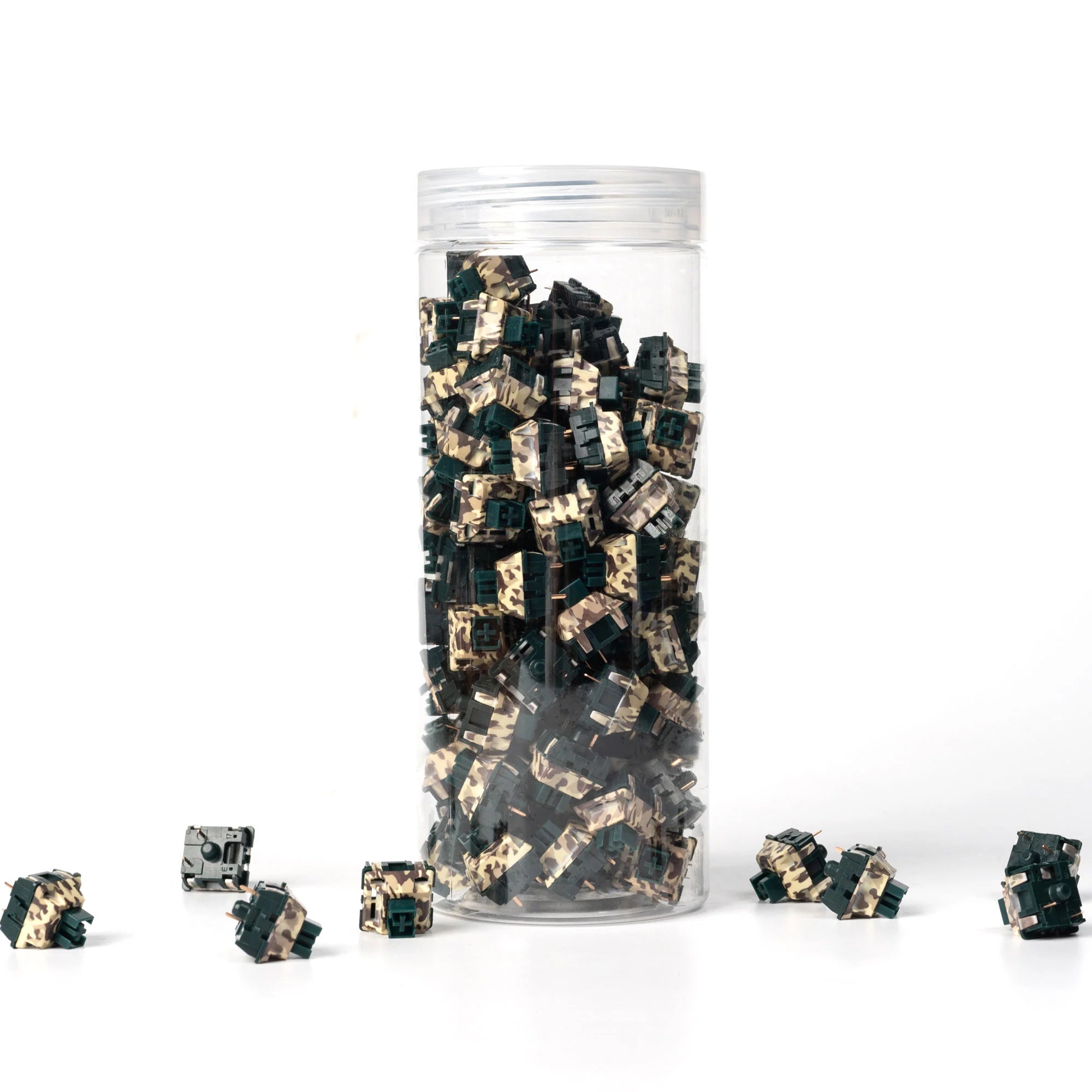
One of the most talked-about advancements in recent years is the Hall effect switch. Unlike traditional mechanical switches that rely on physical metal contacts, Hall effect switches use a magnetic field to detect key presses. This technology offers several distinct advantages: virtually zero wear and tear (since there’s no contact erosion), adjustable actuation points, and faster response times. In 2026, we predict that Hall effect switches will become a standard option for both gaming and productivity keyboards, especially in high-end models. For example, the Keychron K6 Pro QMK/VIA Wireless Custom Mechanical Keyboard currently features traditional mechanical switches, but future iterations may adopt Hall effect technology to offer gamers and typists unprecedented control over actuation.
Manufacturers are also experimenting with dual-sensor Hall effect designs that can detect both press depth and release speed, enabling more nuanced input for creative professionals and competitive players. As the cost of magnetic sensors drops, we expect Hall effect switches to appear in mid-range keyboards as early as late 2025, with widespread adoption by 2027.
QMK/VIA Firmware: The Backbone of Customization Expands
QMK (Quantum Mechanical Keyboard) firmware and its graphical companion VIA have already revolutionized keyboard customization, allowing users to remap any key, create macros, and adjust lighting without coding. But the future holds even more possibilities. We anticipate that QMK will gain native support for Hall effect switch calibration, per-key rapid trigger settings, and dynamic actuation profiles that change based on the active application. This means a keyboard could automatically switch between a light touch for typing and a firm press for gaming, all configured through an intuitive VIA interface.
Furthermore, QMK’s open-source nature will likely drive community-built plugins for advanced features like haptic feedback, integrated screen displays, and even AI-powered predictive typing. Keyboards like those in the Keychron K series already showcase the power of QMK/VIA, and as more manufacturers adopt this firmware, the line between hardware and software customization will blur. For power users, this evolution means that their keyboard will become an even more integral part of their workflow, adapting to their habits over time.
Keycap Innovations: Beyond ABS and PBT
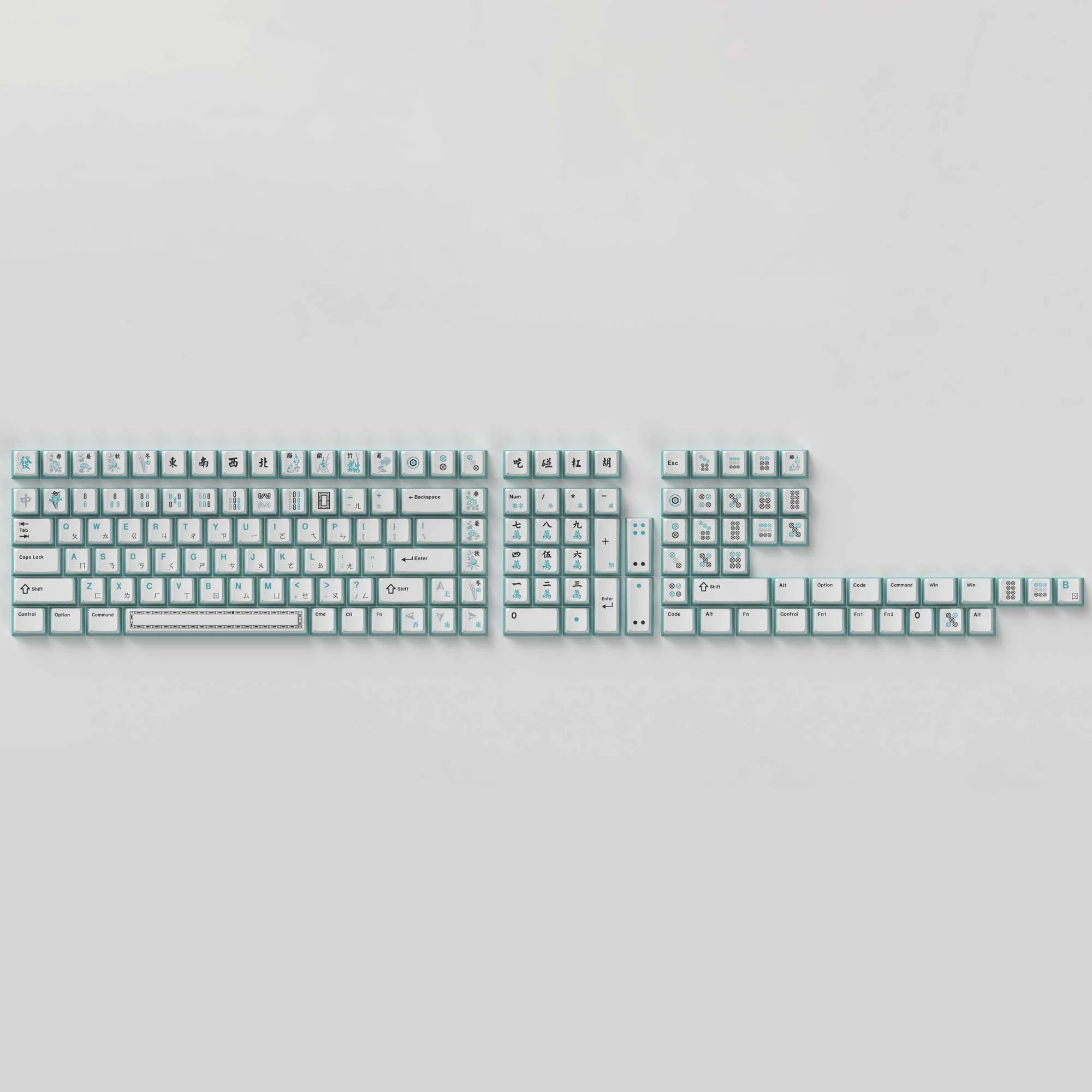
Keycap materials have traditionally been dominated by ABS (acrylonitrile butadiene styrene) and PBT (polybutylene terephthalate) plastics. However, the future will see a surge in alternative materials that offer unique aesthetics, durability, and tactile experiences. We predict that metal-infused keycaps, ceramic keycaps, and even biodegradable composites will enter the mainstream. Artisan keycaps will continue to thrive as collectible art pieces, with designs becoming more intricate and customizable.
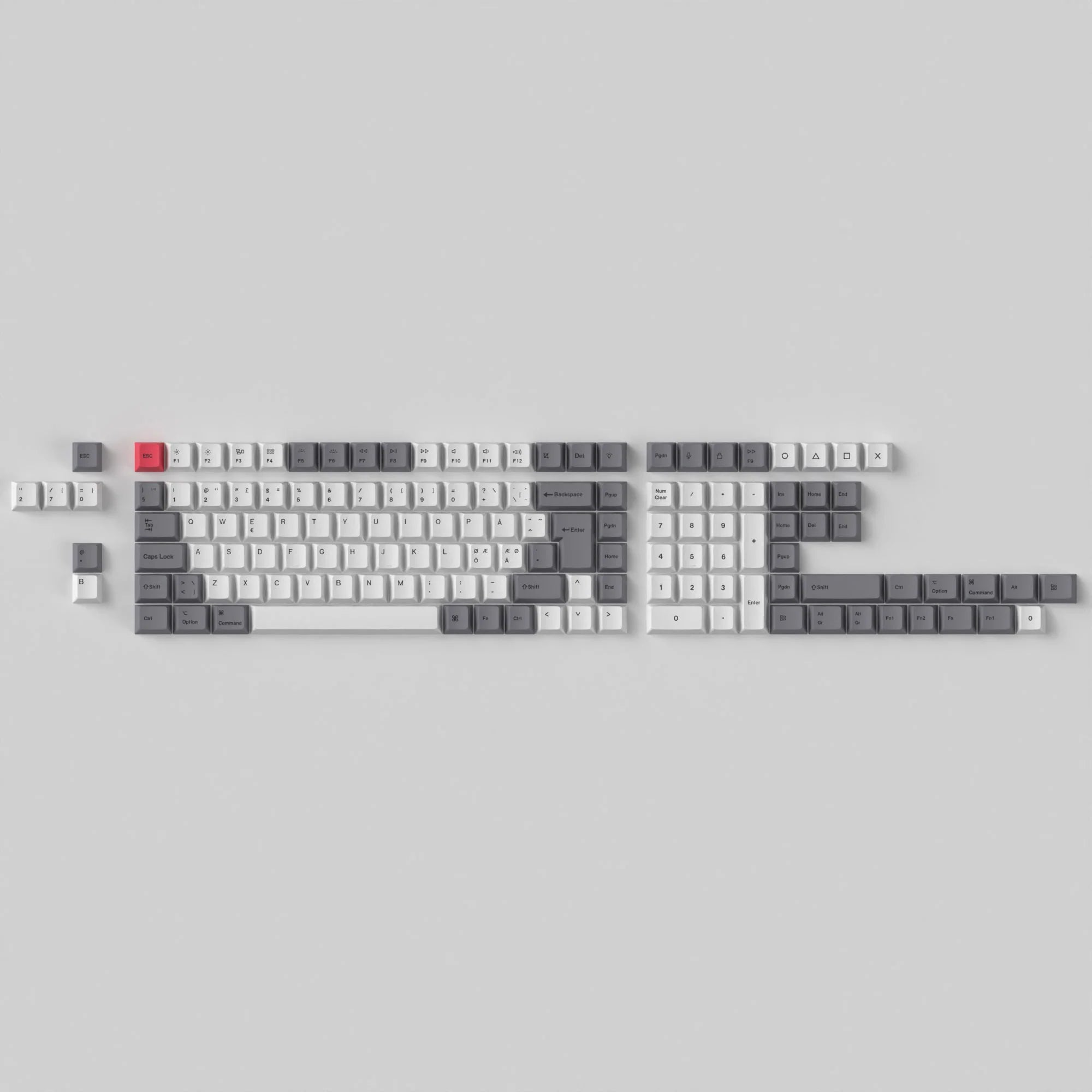
For ISO layout users, the availability of high-quality keycap sets has historically been limited, but that is changing. Sets like the ISO Cherry Profile Dye-Sub PBT Full Set Keycap Set - Developer demonstrate how manufacturers are expanding options for international layouts. In 2026, we expect to see more ISO-specific keycap designs with vibrant colorways and advanced dye-sublimation techniques that ensure legends never fade. Additionally, the rise of multi-shot injection molding will allow for complex, multi-layered designs without compromising durability.
Wireless and Ultra-Slim Designs: The Convergence of Portability and Performance
Wireless mechanical keyboards have already proven their worth with low-latency connections and long battery life. The next frontier is ultra-slim mechanical keyboards that rival the thinness of membrane or scissor-switch boards while retaining a satisfying mechanical feel. We predict that 2026 will see the release of mechanical keyboards under 10mm thick, using low-profile mechanical switches and innovative internal designs. The Keychron B1 Pro Ultra-Slim Wireless Keyboard ISO Layout Collection is a great example of how slim form factors can still deliver a premium typing experience. Future iterations may incorporate Hall effect switches to further reduce thickness while improving responsiveness.
Battery technology will also improve, with wireless charging and supercapacitors enabling near-instant recharging and months of use on a single charge. Bluetooth 6.0, expected to debut in consumer devices by late 2026, will offer even lower latency and the ability to connect to multiple devices seamlessly without interference.
Modularity and Sustainability: The Rise of Repairable Keyboards
As consumers become more environmentally conscious, the demand for repairable and upgradable electronics is growing. Mechanical keyboards are already more repairable than most peripherals, but future designs will take this further. We predict that hot-swappable sockets will become universal, allowing users to replace switches without soldering. Additionally, modular backplates, swappable USB-C ports, and replaceable batteries will extend the lifespan of keyboards significantly.
Manufacturers will also embrace recycled and bio-based plastics for keyboard cases and keycaps. The trend toward sustainability doesn’t mean sacrificing aesthetics; we expect to see beautiful, textured finishes made from recycled materials that rival traditional plastics in feel and durability. Keychron’s commitment to offering replacement parts and plates, such as the V1 PC Plate, already supports this philosophy, and we anticipate more brands following suit.
Ergonomics and Health: Keyboards That Adapt to You
Ergonomic design will become a major focus in 2026, driven by increased awareness of repetitive strain injuries and the rise of remote work. We predict that split keyboards, tented designs, and adjustable palm rests will become more common, even in mass-market products. Advanced materials like gel-infused memory foam and breathable mesh will be used in palm rests to reduce pressure points during long typing sessions.
Smart ergonomics will also emerge: keyboards with built-in sensors that track typing posture and hand position, providing real-time feedback via a companion app. These keyboards could suggest micro-breaks or adjust the actuation force of keys to prevent fatigue. While such technology is still nascent, the foundation is being laid by current innovations in sensor miniaturization and low-power wireless communication.
The Rise of Artisan and Collectible Keycaps
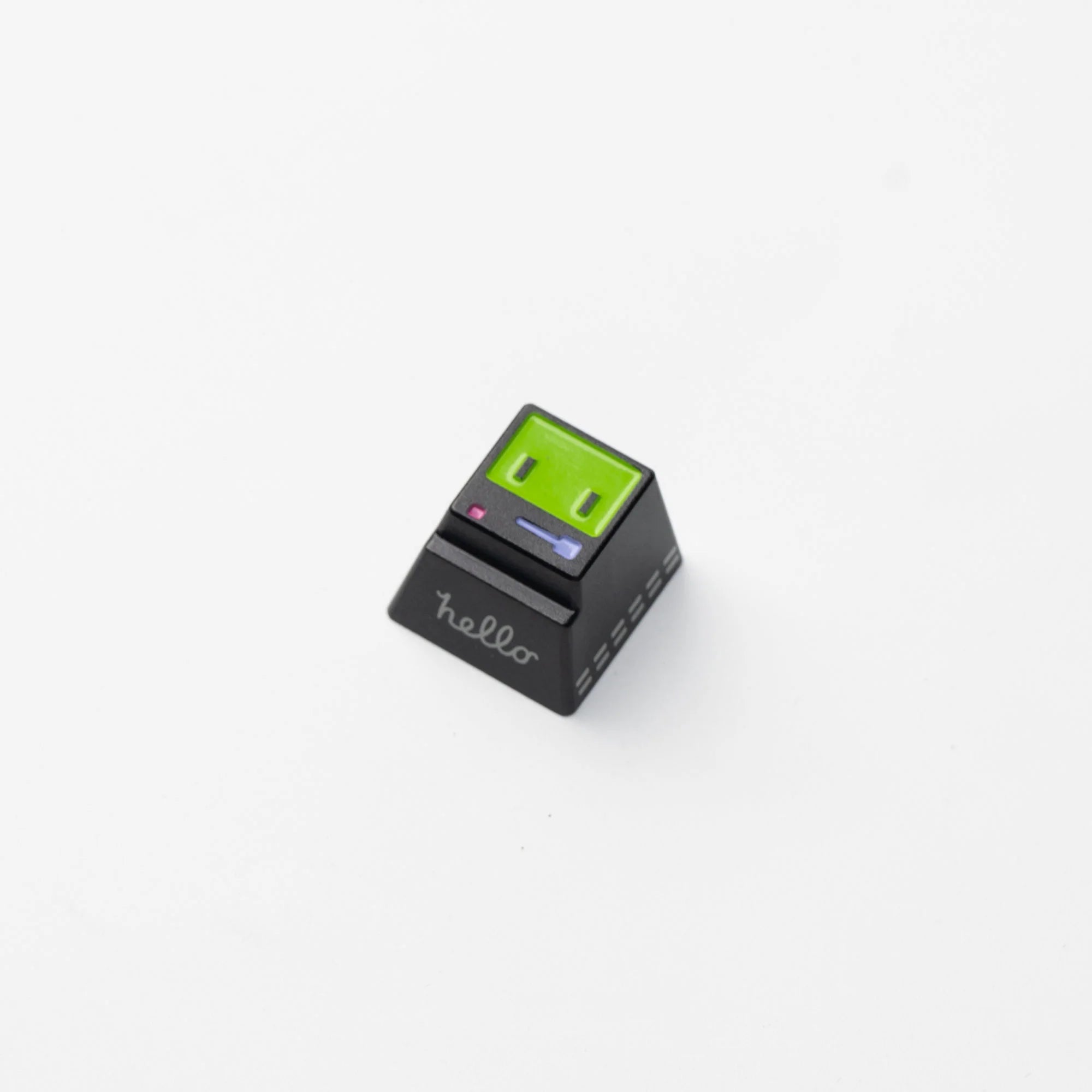
The artisan keycap market has exploded in recent years, with handcrafted designs made from resin, metal, wood, and silicone fetching premium prices. In 2026, we predict that artisan keycaps will become even more integrated into keyboard culture, with limited-edition collaborations between keyboard manufacturers and artists, game studios, or fashion brands. The Silicone Kitty Paw Aluminum Alloy Artisan Keycap is a charming example of how playful designs can add personality to any board. Future trends will include interactive artisan keycaps with tiny LED screens, moving parts, or even haptic feedback that responds to key presses.
Moreover, we expect to see a rise in modular artisan keycaps that can be customized with interchangeable tops or inserts, allowing users to change the look of their keyboard without buying entirely new caps. This will appeal to collectors and enthusiasts who want to express their individuality without breaking the bank.
Enhanced Connectivity and Multi-Device Workflows
With the proliferation of smartphones, tablets, laptops, and desktop computers, the ability to switch seamlessly between devices is more important than ever. Future mechanical keyboards will likely feature enhanced multi-device connectivity, supporting up to five or more devices simultaneously with instant switching. We predict that keyboards will incorporate built-in USB hubs, SD card readers, and even wireless charging pads for your phone or mouse.
Keyboards will also act as smart hubs, managing input across multiple computers with a single keystroke. This capability will be particularly valuable for developers, designers, and content creators who work across different operating systems. The Keychron M7 Wireless Mouse, for instance, already pairs effortlessly with multiple devices, and we expect keyboards to adopt similar cross-platform features.
Conclusion: The Keyboard as a Personal Ecosystem
By 2026, the mechanical keyboard will no longer be just a tool for typing or gaming—it will be a personal ecosystem that adapts to your preferences, health, and workflow. Hall effect switches will deliver unprecedented responsiveness, QMK/VIA will offer deep customization, and sustainable materials will make high-quality keyboards more accessible and responsible. Whether you’re a professional typist, a competitive gamer, or a collector of artisan keycaps, the future holds exciting possibilities.
Ready to experience the cutting edge of keyboard technology today? Explore the Keychron K6 Pro QMK/VIA Wireless Custom Mechanical Keyboard—a versatile, programmable keyboard that embodies many of the innovations we’ve discussed. Customize your layout, switch to Hall effect switches in the future, and enjoy a typing experience designed for tomorrow.